

Rubbish collection in Carshalton
Our Carshalton collection removes agreed furniture and household contents from the property, including the bedding and stored belongings accompanying a bedroom clear-out. We assess the items, carry them along the agreed route and load the collection. Same-day availability covers London and the M25, with phone enquiries available 24/7.
Estimate a bedroom furniture removal
Include the wardrobe, bed pieces and belongings that need to leave together.
This guide relates to the complete bedroom load, including bedding and stored contents accompanying the furniture.
Can bedding leave with a wardrobe collection?
The enquiry can include bedding, furniture and the smaller contents from the same bedroom. We identify those groups separately and assess the complete load for collection. That gives the quote a clearer basis than counting only the wardrobe while leaving its stored contents out of the removal request.
Does the Carshalton Beeches textile bank accept every soft furnishing?
Sutton lists a textile and shoe bank at Radcliffe Gardens, Carshalton Beeches. Its guidance distinguishes reusable textiles from excluded bedding such as duvets and pillows. Our collection enquiry concerns the unwanted contents requiring removal from the property, including the furniture and soft furnishings identified together.
A bedroom removal often involves more than its largest piece. A wardrobe can stand beside a chest of drawers while bed linen, blankets and other possessions remain on shelves. Our quotation identifies the furniture leaving and the contents accompanying it, so carrying and loading address the actual bedroom collection.
Carshalton Beeches has a named council-listed textile bank, but a textile drop-off and a furniture collection perform different work. We provide the property removal enquiry for the bulky pieces and agreed belongings, with their indoor location and carrying route included in the assessment.
- Bedroom contents identified alongside the main furniture.
- Wardrobes and drawers assessed for their size and route.
- Soft furnishings distinguished from reusable textile drop-offs.
- Carrying and loading quoted for the agreed collection.
| Contents | Collection detail | Effect on the removal |
|---|---|---|
| Wardrobe | The enquiry records the large furniture piece and whether its stored contents are leaving as well. | Its size matters for the carrying route; the contents also contribute to the load when included. |
| Chest of drawers | The unit and any separate belongings identified for removal form part of the same collection description. | A furniture count alone can miss bags or boxes that also need carrying from the room. |
| Bed components | The mattress, base and other pieces are described individually within the agreed removal. | Their shapes differ, so the collection assessment considers the actual components rather than a room label. |
| Soft furnishings | Unwanted bedding and other agreed fabric items remain visible within the collection list. | They may occupy considerable space even when their weight is lower than a compact box of books. |
| Stored belongings | The enquiry includes the smaller contents leaving shelves, cupboards or a separate storage point. | The quote can then address the full collection instead of only the furniture visible in the main room. |
Furniture leaving a furnished bedroom
Our team collects the agreed pieces while retained furniture stays outside the removal list. The enquiry identifies the wardrobe, drawers or bed components and the smaller belongings leaving with them. That distinction supports a partial bedroom clear-out as well as a larger household enquiry.
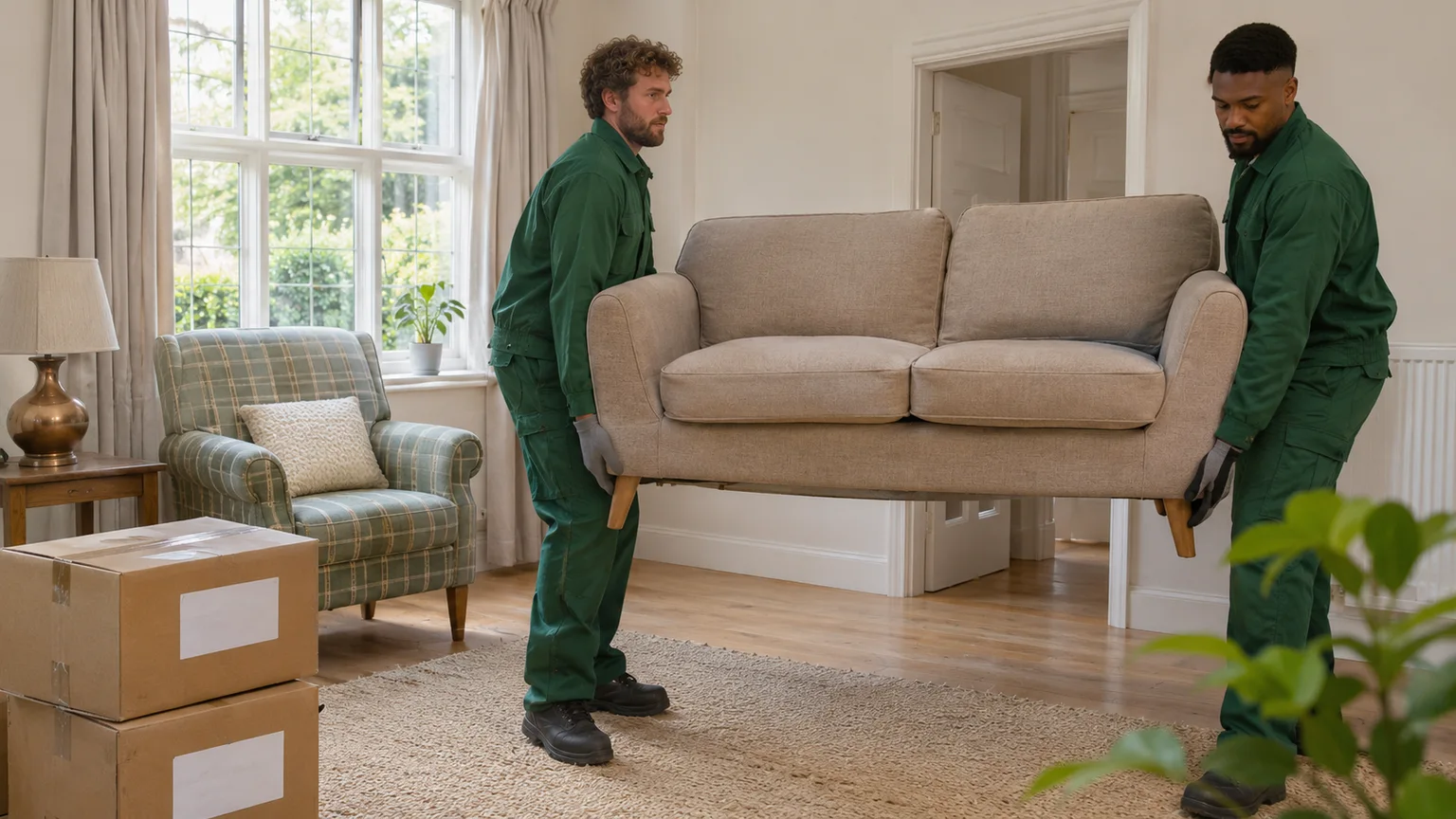
| Guide band | Both limits apply | How the collection is assessed |
|---|---|---|
| Minimum £55 | Up to 50 kg; a minimum-band volume cap has not been specified. | The enquiry still identifies the furniture and accompanying contents so the actual removal can receive an appropriate quote. |
| £120 | Up to 3 cubic yards and up to 250 kg. | Both occupied space and total weight must fit this band; a low weight alone does not establish the price. |
| £180 | Up to 6 cubic yards and up to 500 kg. | A larger combination of furniture and belongings is assessed against both figures rather than the number of bedrooms. |
| £240 | Up to 9 cubic yards and up to 760 kg. | The collection description includes bags and boxes stored separately from the main pieces when they are also leaving. |
| £305 | Up to 12 cubic yards and up to 1,000 kg. | A collection beyond either published limit receives a quote; the band is not an unlimited allowance for heavy contents. |

Reusable textiles and unwanted bedding
Sutton’s textile guidance gives the Radcliffe Gardens bank a specific role. Bed linen and blankets are among the listed reusable textiles, while duvets and pillows are excluded. We identify unwanted bedding within the collection request rather than treating every soft furnishing as suitable for the same local drop-off.
| Item group | Council-listed local option | Collection distinction |
|---|---|---|
| Reusable clothes | Sutton lists a textile and shoe bank at Radcliffe Gardens in Carshalton Beeches. | A personal textile drop-off concerns suitable reusable material; our enquiry covers the agreed unwanted property contents. |
| Bed linen and blankets | These are included in the council’s reusable textile guidance for its bank network. | Their presence in a bedroom does not mean the wardrobe or bed frame belongs in that textile stream. |
| Duvets and pillows | The council excludes these from its textile-bank guidance, distinguishing them from bed linen. | An unwanted bedding enquiry identifies the actual items requiring collection alongside the rest of the household load. |
| Furniture pieces | A wardrobe, drawer unit or bed component is a different removal from a reusable textile bag. | The collection assessment covers its physical size, collection point and carrying route from the property. |
Carrying from the room to the vehicle
Furniture size and its position inside the building both affect the removal description. We assess doorways, changes of level and the route from the bedroom to the loading point. The quote relates to the pieces actually leaving and any accompanying bags, rather than promising that every wardrobe will fit through every opening.
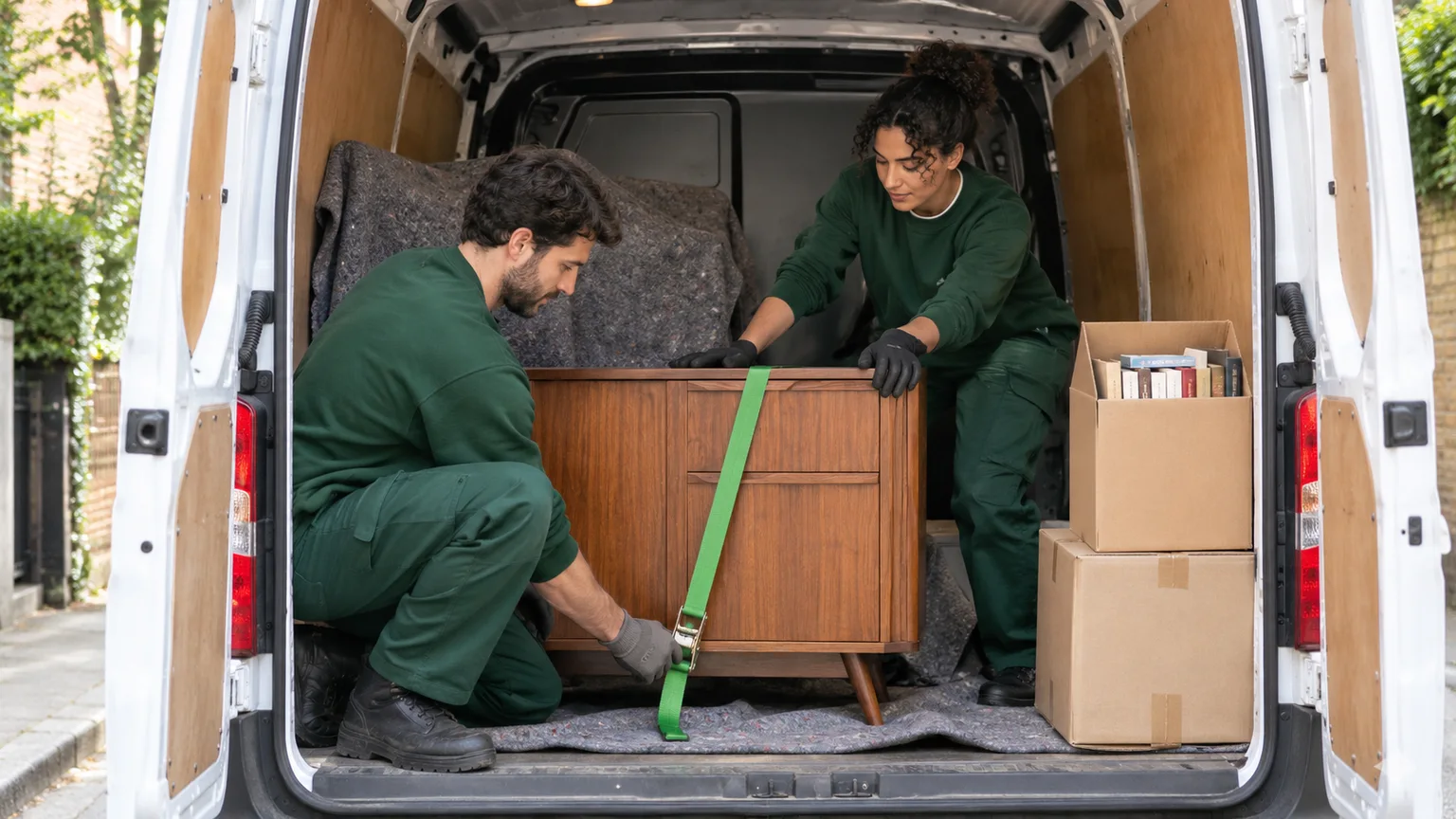
| Collection point | Work identified | Useful distinction |
|---|---|---|
| Bedroom doorway | The assessment considers the dimensions and position of the furniture that must leave the room. | A narrow opening and a large wardrobe are recorded as part of the carrying work rather than reduced to a furniture count. |
| Stairs or changes of level | The quotation identifies where the agreed contents are located within the building. | A ground-level bag collection and furniture carried from upstairs describe different work, even with similar materials. |
| Separate storage space | Belongings in another room or storage point are included when they belong to the removal. | That keeps the load description complete and links those items to their actual collection position. |
| Loading point | The carrying route connects the agreed indoor collection points with the vehicle loading position. | The assessment concerns the actual property arrangement; it does not rely on a general assumption about street access. |

A collection sized around the complete load
A partly cleared bedroom can contain bulky light pieces and compact heavy belongings. Both contribute to the household load. Our guide checks occupied volume and weight together; the collection quotation confirms the agreed items and carrying work, while a whole-house clearance receives its own assessment.
| Load type | Quote basis | Why it stays identifiable |
|---|---|---|
| Ordinary household contents | The household guide checks the combined volume and weight of the agreed furniture and belongings. | Dense boxes can influence the weight band even when the largest furniture pieces occupy most of the space. |
| Garden cuttings | The green-waste guide uses the published paired volume and weight limits for that material collection. | Outdoor cuttings remain a distinct load description instead of being hidden within a bedroom furniture estimate. |
| Building materials | Building waste follows weight-only tiers of 50, 250, 500, 760 and 1,000 kg at £55, £120, £180, £240 and £305. | Renovation debris is described separately from furniture; loads above the published weight bands receive a quote. |
| Electrical or business contents | Equipment-focused and commercial collections receive individual quotations for their identified contents. | Their service requirements are considered directly rather than automatically treating workplace equipment as ordinary bedroom belongings. |
Collections in Carshalton
We collect across Carshalton and the wider London and M25 service area. Same-day service is available, and our 24/7 phone line handles collection enquiries. The quotation identifies the agreed contents, their location and the carrying and loading work.
Local council collection and recycling information
Frequently asked questions
Can only the wardrobe leave while the bed stays?
Yes. The enquiry identifies the furniture to collect and the pieces remaining in the room. Any bags or stored belongings leaving with the wardrobe are included in the same removal description.
Does a bag of bedding count towards the load?
Yes. Agreed bedding contributes to the occupied space and weight of the household collection. The furniture guide therefore considers the complete load rather than only the largest pieces.
Is the textile bank a place for a chest of drawers?
The Radcliffe Gardens location is listed for textiles and shoes. A chest of drawers requires a furniture removal arrangement; our quotation covers its collection point, carrying route and loading.
How is a whole-property clearance priced?
A whole-house clearance receives a quotation for the property contents and work. The household guide can help describe smaller loads, but a room count does not establish a full-property clearance price.
Can renovation debris be added to the enquiry?
The enquiry can identify it separately from furniture and belongings. Building waste uses its weight-based guide, with the actual materials and collection work assessed for the appropriate quote.