
Rubbish removal in Rayners Lane
We collect unwanted furniture and household belongings in Rayners Lane, carrying and loading the agreed group. Same-day service is available across London and the M25, with a 24/7 call line for quotations and collection requests.
Estimate a Rayners Lane household group
Include furniture and containers, with the actual route to loading identified.
A console and boxed belongings require a route assessment covering their different shapes and handling.

Does the town-centre red route affect the collection enquiry?
Harrow’s current update says the Rayners Lane red route will become permanent after its trial, with revised loading arrangements. The practical collection description therefore identifies the actual property entrance and vehicle loading position. Our quotation connects those points with the unwanted furniture and containers, using their dimensions and quantity to assess the carrying work required for the agreed removal.
Can furniture and bags come from different rooms?
Yes. The enquiry identifies the unwanted group in each room or storage position, with their materials and quantities combined for assessment. Retained possessions remain outside the list. The team carries and loads the agreed contents along the available routes, with both household allowances considered where appropriate and larger property or commercial jobs receiving individual quotations for the removal required.
Tom’s Junk Collectors provides Rayners Lane household removal for agreed unwanted furniture and belongings. The quote follows the actual collection, connecting its material and quantity with carrying from the identified positions and vehicle loading at the property.
The town-centre access update makes the actual loading position relevant to the enquiry. The collection route begins at the unwanted contents and continues through the entrance to the vehicle, rather than being described only by the property’s street name.
- Property-to-vehicle route described for the actual collection.
- Furniture dimensions and containers assessed together.
- Current loading arrangements distinguished from old proposal maps.
- 24/7 calls for same-day requests and other visits.
The agreed contents and route define the removal
We collect the unwanted furniture and household belongings identified for the job, with retained possessions outside the removal list. A console, cabinet or table can leave with bags and boxes, giving the quote the complete household group.
Our team carries and loads those contents. Additional positions join the enquiry with their quantity, material and route, completing the assessment rather than leaving the quote based only on the main room or first bulky piece.

| Route detail | What is identified | How the removal follows it |
|---|---|---|
| The actual collection address | The entrance and starting rooms establish where the agreed contents are removed from. | The quotation follows that property and unwanted group rather than a street name alone. Furniture dimensions and container quantities connect with the internal route, while retained possessions stay outside the collection list and any separate storage group contributes its own starting point. |
| The loading position | The practical vehicle approach is described alongside the property exit. | The current town-centre loading update provides relevant context without replacing the actual appointment assessment. Our quote connects the agreed contents with the carrying route to the vehicle, rather than assuming every address has direct roadside access or using hours taken from an older proposal map. |
| Separate starting points | Furniture and containers elsewhere contribute additional quantity and carrying routes. | The assessment includes those groups with the principal collection. This gives the quote the complete physical job, including smaller contents that would otherwise be absent from an enquiry focused only on the largest furniture object or the first room shown in a photograph. |
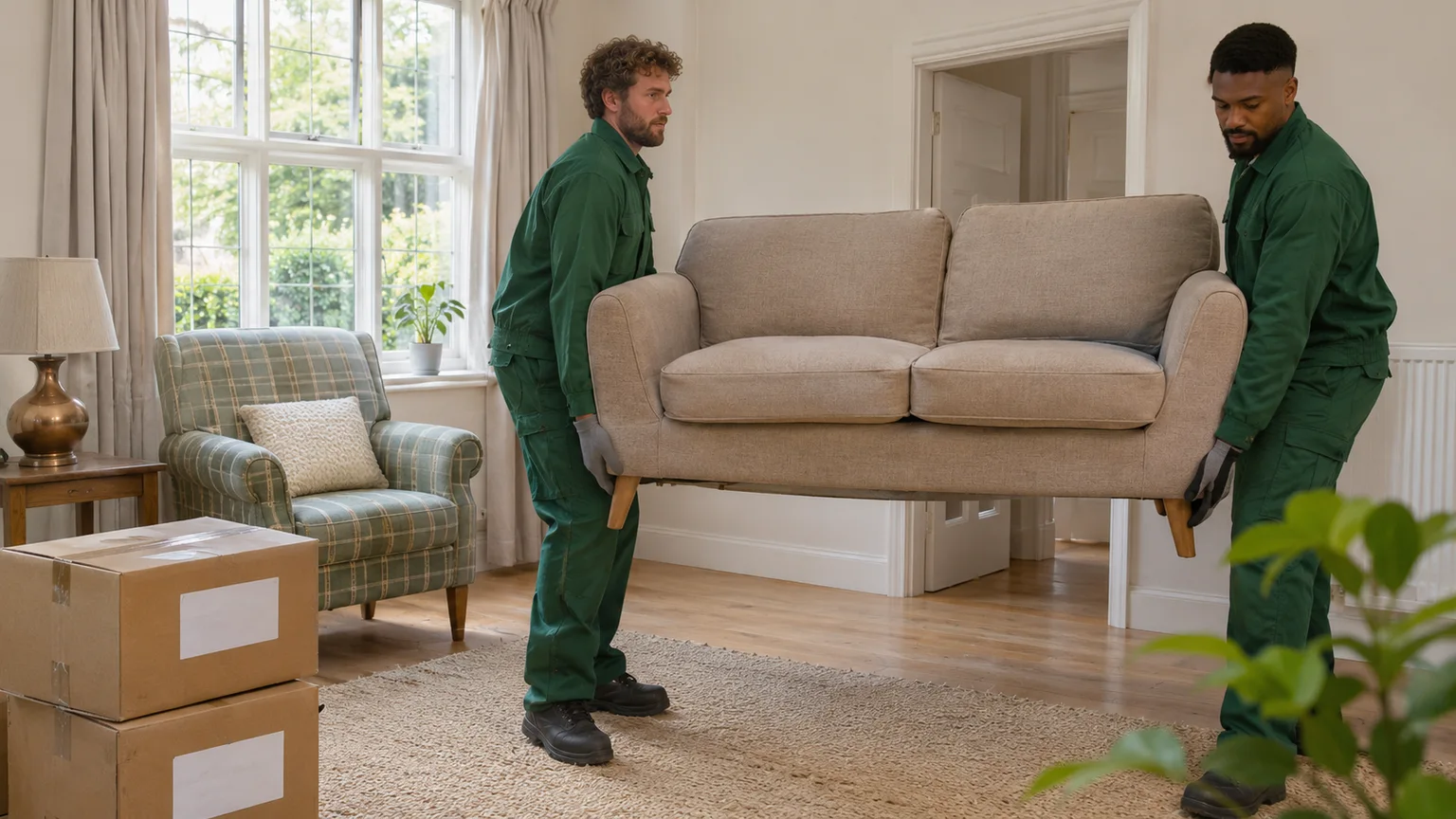
The town-centre loading update has a practical connection
Harrow’s current red-route update describes permanence following the trial and changes to loading arrangements. The actual collection address, entrance and practical vehicle position therefore form a useful connected description for a proposed removal.
Our quotation relates that route to the contents being carried. Furniture dimensions, container quantities and separate starting points establish the physical job, with current site arrangements considered for the actual appointment rather than older proposal-map hours applied to every address.
| Combined limits | Guide price | What the load assessment includes |
|---|---|---|
| Up to 50kg | £55 | £55 covers up to 50kg. Describe furniture dimensions and accompanying containers, together with their actual positions and practical route to vehicle loading. |
| Up to 3yd³ and 250kg | £120 | Both ceilings apply. Furniture, household containers and components leaving together form the group, including smaller contents at separate storage positions away from the main room. |
| Up to 6yd³ and 500kg | £180 | The quote follows the actual unwanted remainder. Retained belongings stay outside the load rather than being included because they share the furnished space shown in the enquiry. |
| Up to 9yd³ and 760kg | £240 | Dense compact contents add weight while bulky pieces use space. Both household allowances are considered for the complete agreed quantity from all collection positions. |
| Up to 12yd³ and 1,000kg | £305 | A quote is required above either ceiling. Whole-property, commercial and dedicated electrical work receives individual assessment for the actual materials and carrying requirements. |
The complete household load uses weight and volume
Bulky objects use space while books, crockery and other compact contents add weight. We assess the combined household group against both relevant allowances, including smaller containers away from the principal furniture area.
Equipment, green material and building leftovers stay separately identifiable within a wider enquiry. Their relevant assessment follows the actual type and quantity, while whole-property and business work receives individual quotations for the full removal required.
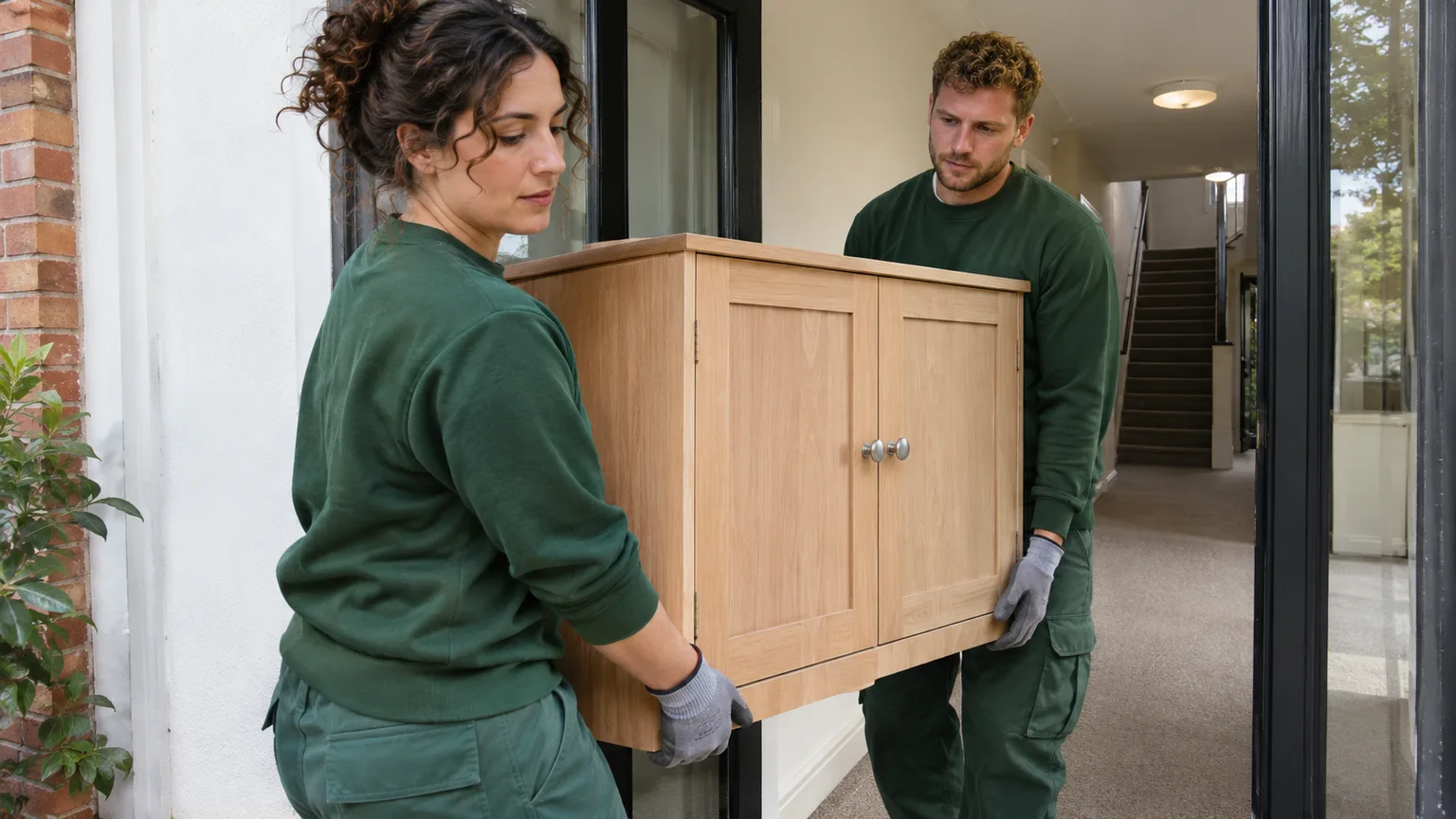
| Stage | Our work | What completes the job description |
|---|---|---|
| Internal carrying | We carry the agreed contents from their identified rooms or storage locations. | The quotation combines every agreed quantity and material group, with retained or separately arranged possessions outside the physical removal. A larger property or business collection receives its relevant individual assessment rather than one household band applied to the complete building or commercial contents involved. |
| Entrance to vehicle | The collection follows the available openings, turns and changes of level towards the loading position. | Furniture dimensions and container quantities connect with the actual route. Stairs, a usable lift or shared entrance arrangements are included where applicable, together with the practical approach between the property exit and vehicle for all agreed starting groups being collected. |
| Appointment and onward handling | We load the collection for responsible disposal and recycling where possible. | The visit is confirmed for the actual contents, practical access and schedule. Same-day service is available through our 24/7 line, while the material breakdown informs appropriate assessment and handling of the group that has been agreed, carried and loaded for removal from the property. |

Each starting position connects with carrying and loading
The assessment relates furniture dimensions to relevant doors, turns and changes of level. Stairs, a usable lift or shared entrance arrangements are included where they affect the actual route between the contents and loading vehicle.
We load the agreed collection for responsible handling and recycling where possible. Same-day service is available, with the appointment confirmed for the job and schedule through our 24/7 quotation and collection-request line.
| Contents detail | What the enquiry describes | Practical significance |
|---|---|---|
| Furniture and components | The actual unwanted objects, approximate dimensions and separate parts leaving are named. | The assessment relates those pieces to the available exit route and vehicle space. A narrow console differs from a cabinet and accompanying containers, so the quotation follows the actual group rather than the furniture name alone or the total number of rooms in the property. |
| Bags and boxes | The quantity and approximate type of household contents are included alongside the main bulky objects. | Books and homeware can add meaningful weight while using modest visible space. Including the containers brings both household allowances into the complete assessment and identifies an additional carrying route where smaller groups are stored away from the principal furniture or first room described. |
| Retained possessions | Useful belongings remaining at the property stay outside the collection list. | A partial removal can then have a defined outcome within a furnished home. The quote follows the unwanted group and any separately stored remainder, while the retained contents continue in use rather than being included simply because they appear in an enquiry photograph. |
| Material group | Relevant description | Assessment outcome |
|---|---|---|
| Electrical equipment | Type, number, current position and relevant connection state identify the devices leaving. | A dedicated equipment job receives an appropriate quotation. Equipment within mixed household contents remains identifiable beside furniture and containers, with any preparation distinguished from the physical carrying, loading and transport required for removal where relevant to the actual object and proposed job. |
| Green garden contents | Cuttings are described separately from furniture kept outside and dense material nearby. | The service assessment follows what is being collected rather than its storage position. A wider enquiry can include several outdoor groups while retaining the distinctions needed for their appropriate quotation, carrying route and material handling assessment within the complete proposed removal. |
| Building leftovers | Improvement materials and approximate quantities are named separately from ordinary household belongings. | The assessment follows the contents rather than a container’s apparent size or shape. The full clear-out stays understandable as a job while the quotation keeps household furniture distinct from material requiring another appropriate collection service and individual assessment of its handling requirements. |
Collections in Rayners Lane
Rayners Lane is included in our London and M25 coverage. Call 020 3404 6996 at any time for a quote or same-day request. The actual appointment is confirmed for the collection.
Frequently asked questions
Are old red-route proposal hours enough to describe the loading position?
The current council update includes revised arrangements. The enquiry identifies the actual property entrance and practical loading position for the proposed collection.
Can the quote include furniture from more than one room?
Yes. Identify each group and its position so the assessment includes the complete household quantity and all carrying routes.
Do boxed books count with the bulky pieces?
Yes. Their contents contribute weight and volume alongside the furniture leaving at the appointment.
Does a console and a set of boxes need the same route description?
Identify the furniture dimensions and the containers together. Their quantity and shape connect with the actual doors, turns and loading approach, giving the quote the complete carrying job.