

Rubbish collection in Kentish Town
We collect unwanted furniture and household contents from Kentish Town properties. Our team carries the agreed load from its collection points and loads the vehicle for removal. Same-day service is available across London and the M25, supported by a 24/7 phone line for enquiries.
Check a furniture removal load
Use the whole collection, including bags away from the main furniture.
This enquiry is for contents requiring removal from the property, as distinct from a personal trip to Regis Road.
Why book collection when Regis Road is in Kentish Town?
Regis Road is a self-delivery facility for suitable household materials. A visit involves transporting and unloading the items, with advance booking for vans or trailers. Our quotation can instead cover carrying from the property, loading and removal together. That provides help with the movement before transport, not only a place receiving the waste.
Can several furniture pieces leave with bagged belongings?
Yes. The enquiry can identify the furniture and accompanying contents as one proposed removal. The quotation considers their combined space, weight and locations, including smaller bags stored away from the main item. We carry and load the agreed contents, with electrical equipment and other distinct material groups identified separately.
Regis Road gives Kentish Town a named reuse and recycling facility, but a centre visit and a property collection solve different parts of a clear-out. Our service addresses unwanted contents where they are kept, including the carrying required to get them out and into a vehicle.
A removal can cover selected items or a larger property clearance. The quote follows the agreed inventory and route. Household guide bands provide a reference for limited domestic loads, while whole-property and different-material jobs receive an individual assessment.
- Collection from agreed locations inside or outside the property.
- Furniture and bags assessed together as one proposed load.
- Carrying and loading connected with transport.
- Regis Road self-delivery distinguished from property removal.
| Part of disposal | Camden’s published facility information | Private collection difference |
|---|---|---|
| Named facility | Camden identifies Regis Road Reuse and Recycling Centre in Kentish Town. | The centre provides a destination for suitable household materials. Our team provides removal from the property, including the carrying and loading needed before the contents are transported away. |
| Van or trailer visit | The council requires advance booking for visits using a van or trailer. | That is a condition of personal self-delivery. A private quotation instead identifies the vehicle collection required for the items at the property and their route to the practical loading point. |
| Unloading responsibility | Camden describes help for disabled visitors and otherwise expects users to unload themselves or with one other person. | A centre trip includes the physical work at the vehicle and facility. Our service undertakes the agreed carrying and loading at the address, providing a different level of removal assistance. |
| Material acceptance | The council lists examples including scrap metal, unwanted furniture and electrical items. | The facility’s current material rules govern a personal visit. Our enquiry identifies the contents requiring collection and the appropriate handling route for the load being quoted. |
The work before an item reaches a vehicle
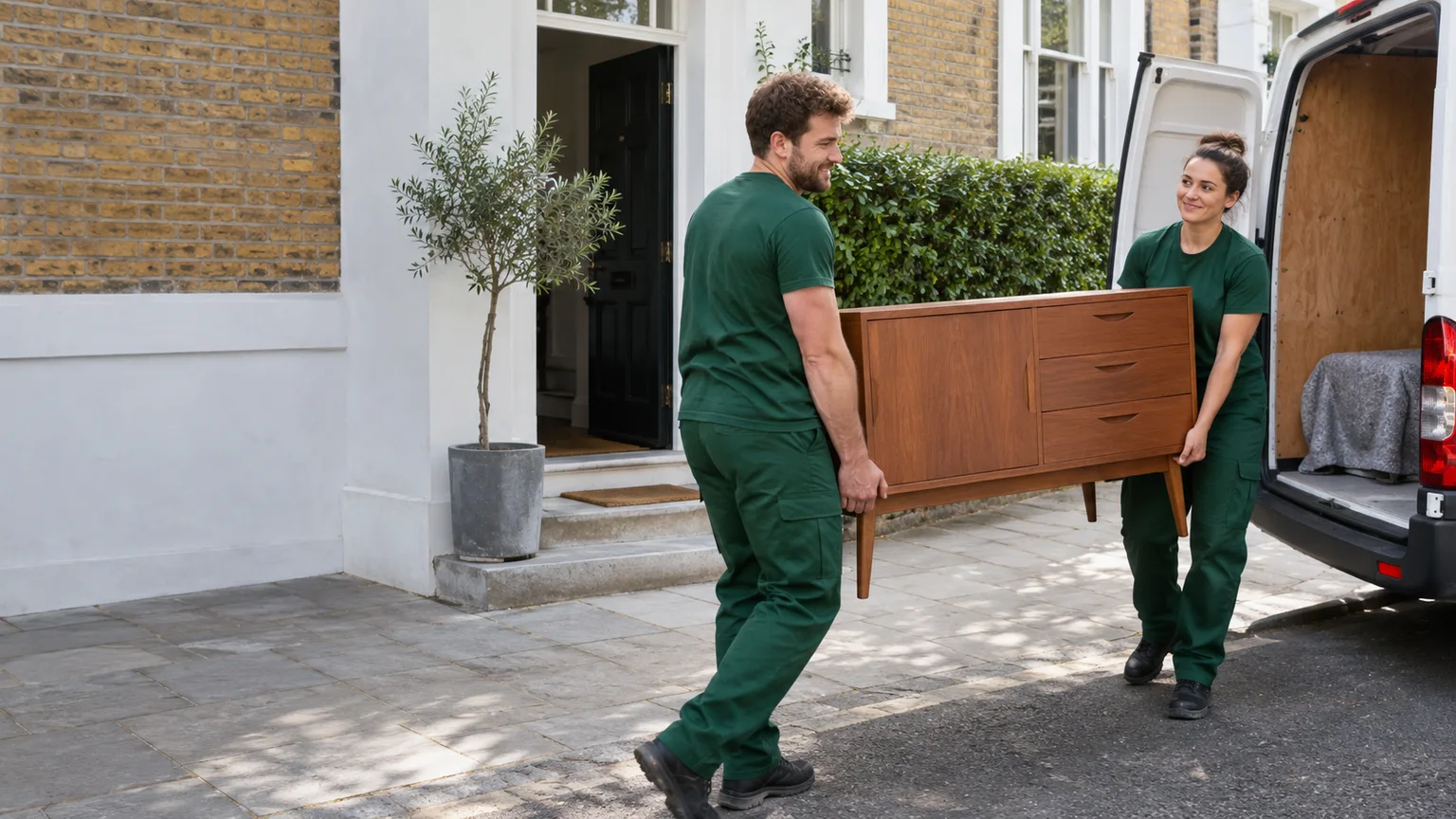
A chair or cabinet still inside its room needs more than transport away. Our team assesses the doors, floor and route to the exit, then carries the agreed item to the loading point. Smaller contents included in the quotation follow their identified collection locations.
The collection can leave the rest of the property furnished. Retained belongings remain outside the removal list, allowing selected unwanted pieces to leave without treating every room as a complete clearance.

| Contents | Removal description | What affects carrying and loading |
|---|---|---|
| Seating | The enquiry identifies sofas or chairs alongside any agreed smaller belongings. | The furniture’s shape and size affect its passage through rooms and doorways. Its occupied vehicle space is considered with the rest of the proposed household load rather than in isolation. |
| Tables and cabinets | The list distinguishes complete pieces from those already separated into panels or parts. | Long pieces, upright storage and compact furniture create different carrying tasks. Their dimensions connect the inventory with the route and the space needed for loading into the collection vehicle. |
| Boxes and bags | The quantity and contents are described with the larger furniture items. | Books, clothing and general belongings add different weight and space. The quotation accounts for those materials, including containers at separate collection points rather than only around the main piece. |
Regis Road entry and unloading are a separate route
Camden identifies Regis Road Reuse and Recycling Centre in Kentish Town for suitable household waste, including furniture, scrap metal and electrical items. Its published guidance requires advance booking when visiting with a van or trailer. A personal trip therefore has its own transport arrangement.
The council also describes unloading responsibilities at the centre, with help for disabled visitors and other visitors expected to manage their items themselves or with one helper. Our property collection provides the agreed carrying and loading at the address before the material is transported.
| Combined load allowance | Guide price | Applying it to the removal |
|---|---|---|
| Up to 50 kg | £55 | The minimum household band has a confirmed weight limit, with its volume allowance established in the quote. Bulky lightweight furniture is still described for the proposed collection. |
| Up to 3 yd³ and 250 kg | £120 | Both limits apply to the complete domestic load. The furniture and specified smaller containers count together, including dense boxes that may occupy little visible space. |
| Up to 6 yd³ and 500 kg | £180 | A load must meet both ceilings. Several rooms of selected contents may differ substantially in weight and occupied space, so a room count cannot assign this allowance. |
| Up to 9 yd³ and 760 kg | £240 | The combined furniture and belongings are assessed against both limits. Identified bags and devices stored away from the main collection area remain part of the proposed removal. |
| Up to 12 yd³ and 1,000 kg | £305 | Loads exceeding either limit require a quotation. Whole-property clearance is individually assessed, while business and building rubbish follow their relevant service rather than an unlimited household band. |
A defined load across rooms and storage areas
The enquiry can include seating, a table, boxes and identified electrical equipment held at different points. The quotation brings those groups together, including belongings away from the most visible furniture. Their materials and quantity describe the complete removal.
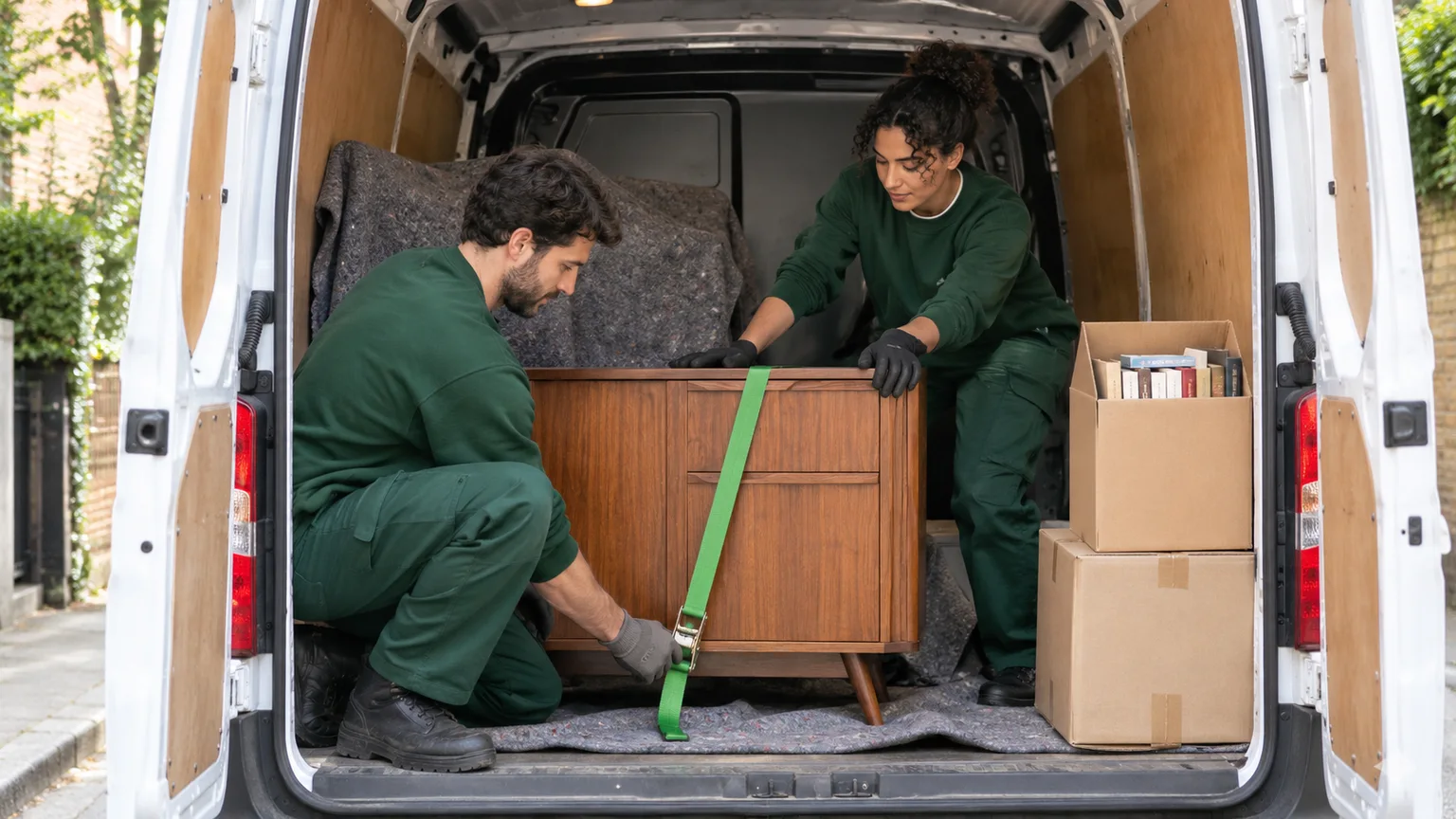
The route is assessed for the actual items: a tall storage unit, bulky chair and dense box create different carrying needs. The team connects their collection points with the building exit and the practical vehicle loading position.
| Collection feature | Part of the work | How the arrangement addresses it |
|---|---|---|
| Starting room | A piece may be in use among furniture that is staying at the property. | The removal list identifies what leaves. The team can collect selected unwanted contents without treating similar nearby furniture or belongings as part of the quoted job. |
| Floor and internal route | Stairs, an available lift and internal doors connect the item with the building exit. | The quotation considers the location and actual passage for that piece. A load upstairs is assessed from its room rather than described as if everything is already outside. |
| Separate storage area | Additional contents may be held away from the main room or furniture heap. | Those agreed points are included in the collection description. The carrying work reflects their positions, keeping the full proposed removal visible when several small groups leave together. |
| Loading position | The practical vehicle location establishes the final part of carrying. | Our team moves the agreed contents to that position and loads them. This completes the physical removal before the vehicle transports the material for appropriate onward handling. |

Suitable handling for the collected material groups
We transport the agreed rubbish for responsible handling, recycling as much as possible. Furniture, metal, textiles and devices remain identifiable parts of the enquiry. Their treatment depends on the material rather than an assumption that every mixed object follows the same route.
Building debris or business rubbish is described through the relevant service enquiry. The household guide is not a universal tariff for all waste at an address. The quotation reflects the identified contents and physical removal required for that job.
| Material or origin | Distinction within the load | Relevant collection approach |
|---|---|---|
| Electrical equipment | A screen, appliance or other device is identifiable alongside ordinary furniture. | Its type, quantity and location help describe the collection. Equipment-focused loads can follow the dedicated electrical service, with owners completing any personal-information preparation before handover. |
| Renovation debris | Timber, rubble or plasterboard differs from household belongings left during a clear-out. | Building waste is assessed through its weight-based enquiry. Identifying those materials keeps a furniture description from concealing a separate dense debris load requiring its own quotation. |
| Commercial rubbish | A business may generate furniture, packaging and devices similar to household items. | The origin of the waste is established and a commercial quote is provided. A domestic guide tier does not become an office tariff merely because the objects resemble furniture from a home. |
Collections in Kentish Town
We cover Kentish Town and all London and the M25. Same-day collection is available, with the appointment arranged for the contents and schedule. Our 24/7 phone line accepts enquiries about furniture, household loads and larger property removals.
Local council collection and recycling information
Frequently asked questions
Does booking a Regis Road visit provide indoor carrying?
A self-delivery visit involves transporting and unloading suitable items at the facility. Our quotation is a separate option for carrying the agreed contents from the property to the vehicle.
Do vans need the same arrangement as ordinary visits?
Camden says visits with a van or trailer require advance booking. That facility condition concerns a personal trip, not an appointment for our team to collect at the address.
Can one cabinet be removed while the room stays furnished?
Yes. The quotation can identify only the unwanted cabinet and specified accompanying rubbish. Other furniture and belongings remain outside the removal list.
Can household rubbish and building debris use one vague load description?
The enquiry distinguishes the materials so the relevant services can assess the proposed removal. Dense building waste follows weight-based guidance through the appropriate building waste enquiry.
Is collection limited to the main pile?
The quote can cover identified contents at several points. Bags or furniture in another room remain included when specified in the agreed removal and carrying arrangement.